
 Wishlist
Book Summary
Java: Introduction to Problem Solving is a comprehensive textbook by Walter Savitch that teaches Java programming through a problem-solving lens. It covers core concepts like variables, control structures, methods, objects, and inheritance, with an emphasis on developing logical thinking and debugging skills. Ideal for students new to programming, this book provides a solid foundation for academic study and practical application.
This book is not available
Store  |
Condition |
Deals & Coupons | Price |
Est. Shipping |
Total |
Buy |
|---|---|---|---|---|---|---|
| Sorry we could not find any result for “9780136072256” | ||||||
About Java: Introduction to Problem Solvi...
Walter Savitch's Java: Introduction to Problem Solving is a widely used textbook designed for introductory programming courses. It emphasizes problem-solving and algorithm development before introducing Java syntax, helping students learn to think like programmers. The book covers fundamental topics such as data types, control structures, methods, arrays, objects, classes, inheritance, and exception handling. It includes numerous examples, case studies, and exercises that reinforce concepts and build practical skills. Savitch's clear, engaging writing style and focus on debugging and program design make it accessible to beginners. This edition incorporates modern Java features and best practices, preparing readers for more advanced study and real-world coding challenges.
Who should read Java: Introduction to Problem Solvi...?
This book is ideal for undergraduate students taking their first programming course in Java, as well as high school students with an interest in computer science. It suits self-learners who want a structured, thorough introduction to programming with a strong emphasis on problem-solving. Instructors seeking a reliable textbook with ample exercises and clear explanations will find it valuable. No prior programming experience is assumed, making it accessible to true beginners.
Pros & Cons
Pros
- ✓ Clear and engaging writing style that makes complex concepts accessible
- ✓ Strong emphasis on problem-solving and algorithm development before coding
- ✓ Abundant examples, case studies, and exercises for practice
- ✓ Covers core Java topics comprehensively, including objects and inheritance
- ✓ Includes debugging tips and program design techniques
Cons
- ✗ Some readers may find the pace slow if they already have programming experience
- ✗ May not cover advanced Java features in depth
- ✗ Exercises can be challenging without instructor guidance
- ✗ Less focus on modern frameworks and libraries
- ✗ Some examples may feel dated compared to current industry practices
Similar books


Frequently asked questions
Is this book suitable for beginners with no programming experience?
Yes, the book assumes no prior programming knowledge and starts with fundamental concepts, making it ideal for beginners.
Does this book cover Java 8 or later versions?
This edition includes coverage of modern Java features, though the focus is on core concepts applicable to all versions.
Are there programming exercises included?
Yes, each chapter contains numerous exercises and case studies to reinforce learning and build practical skills.
Is this book used in university courses?
Yes, it is a popular textbook for introductory Java programming courses in many universities.
Does the book include access to online resources?
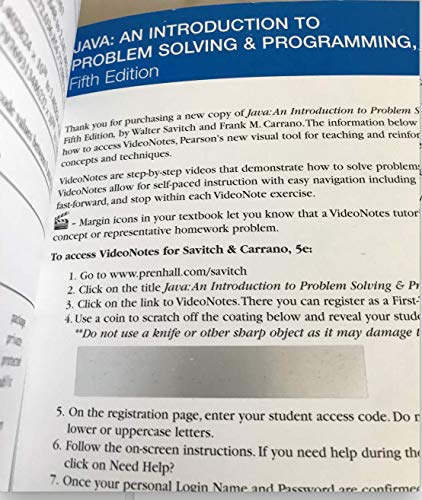
Some editions may offer supplemental online materials; check the specific edition for details.
At Windsorbooks, we compare prices from trusted sellers so you can buy, rent, or sell textbooks at the best total price — shipping included.
As an Amazon Associate, Windsorbooks.com may earn a small commission on qualifying purchases.