
 Wishlist
Book Summary
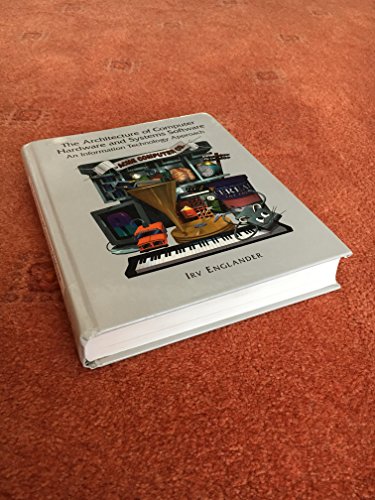
The Architecture of Computer Hardware by Irv Englander is a comprehensive textbook that explores the fundamental structure and operation of computer systems. It covers digital logic, processor design, memory hierarchy, I/O, and networking, bridging the gap between software and hardware. Ideal for students and professionals seeking a solid foundation in computer organization and architecture.
This book is not available
Store  |
Condition |
Deals & Coupons | Price |
Est. Shipping |
Total |
Buy |
|---|---|---|---|---|---|---|
| Sorry we could not find any result for “9780471310372” | ||||||
About The Architecture of Computer Hardwa...
Irv Englander's The Architecture of Computer Hardware provides a thorough introduction to the inner workings of computer systems. The book systematically covers digital logic, data representation, processor organization, memory systems, input/output, and networking. It emphasizes the relationship between hardware and software, explaining how high-level programs are executed at the machine level. With clear explanations and practical examples, Englander guides readers through the complexities of computer architecture, from basic gates to advanced pipelining and multiprocessing. This textbook is designed for undergraduate courses in computer organization and architecture, offering a balanced mix of theory and real-world applications. It equips students with the knowledge to understand and analyze modern computer systems.
Who should read The Architecture of Computer Hardwa...?
This book is ideal for undergraduate students in computer science, computer engineering, and information technology programs. It also suits professionals seeking to deepen their understanding of computer hardware, such as software developers, system administrators, and technical managers. Readers should have a basic familiarity with programming concepts and digital logic. The text is accessible to those new to architecture but provides enough depth for more advanced study.
Pros & Cons
Pros
- ✓ Clear and accessible explanations of complex hardware concepts
- ✓ Comprehensive coverage from digital logic to networking
- ✓ Strong emphasis on the hardware-software interface
- ✓ Practical examples and exercises reinforce learning
- ✓ Well-structured chapters suitable for self-study or classroom use
Cons
- ✗ Some outdated content in older editions
- ✗ May be too detailed for beginners without prior background
- ✗ Limited coverage of modern parallel architectures
- ✗ Exercises vary in difficulty without solutions for all
- ✗ Price may be high for a textbook
Similar books


Frequently asked questions
Is this book suitable for beginners?
Yes, it starts with fundamental concepts and gradually builds complexity, making it accessible for beginners with some programming knowledge.
Does it cover modern processor architectures?
While it covers core principles, some advanced topics like multicore and GPU architectures may require supplementary materials.
Are there exercises and examples?
Yes, each chapter includes review questions and problems to reinforce learning, though solutions are not provided for all.
Is this book up-to-date?
The content is generally timeless, but check the edition for recent updates on newer technologies.
Can it be used for self-study?
Absolutely, the clear explanations and structured approach make it suitable for independent learning.
At Windsorbooks, we compare prices from trusted sellers so you can buy, rent, or sell textbooks at the best total price — shipping included.
As an Amazon Associate, Windsorbooks.com may earn a small commission on qualifying purchases.