
 Wishlist
Book Summary
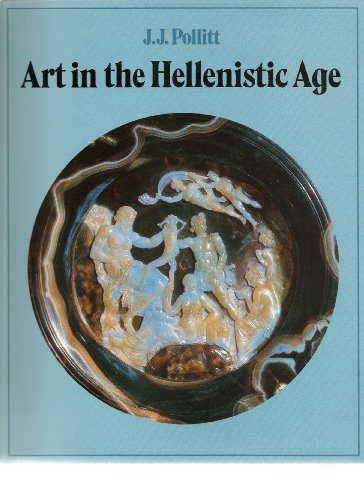
Art in the Hellenistic Age by Jerome Jordan Pollitt is a scholarly yet accessible textbook that explores the visual arts of the Hellenistic period (323–31 BCE). It covers sculpture, painting, architecture, and minor arts, analyzing how they reflected the era's cosmopolitanism, theatricality, and emotional intensity. Ideal for students and art historians, this book provides a comprehensive framework for understanding a pivotal era in Western art.
This book is not available
Store  |
Condition |
Deals & Coupons | Price |
Est. Shipping |
Total |
Buy |
|---|---|---|---|---|---|---|
| Sorry we could not find any result for “9780521276726” | ||||||
About Art in the Hellenistic Age
Jerome Jordan Pollitt's Art in the Hellenistic Age offers a thorough examination of the visual arts produced from the death of Alexander the Great to the Battle of Actium. The book is organized thematically, addressing sculpture, painting, mosaics, architecture, and luxury arts. Pollitt situates these works within their historical and cultural contexts, exploring how Hellenistic artists responded to an expanded Greek world, royal patronage, and new audiences. He discusses key concepts such as theatricality, emotional expression, and the blending of Greek and non-Greek traditions. With detailed analyses of famous works like the Laocoön and the Pergamon Altar, alongside lesser-known pieces, the text illuminates the period's artistic innovations. This textbook is valued for its clear prose, balanced scholarship, and extensive illustrations, making it a standard resource for courses on ancient art and a valuable reference for anyone interested in the Hellenistic era.
Who should read Art in the Hellenistic Age?
This book is essential for undergraduate and graduate students of art history, classics, and archaeology, particularly those focusing on ancient Greek art. It also serves as a valuable resource for scholars and educators seeking a reliable overview of Hellenistic visual culture. Museum professionals, collectors, and general readers with a strong interest in ancient art will appreciate Pollitt's accessible yet rigorous approach. The book assumes some familiarity with Greek history and art, making it most suitable for readers with a foundational background in the subject.
Pros & Cons
Pros
- ✓ Comprehensive coverage of all major Hellenistic art forms, including sculpture, painting, and architecture.
- ✓ Clear and engaging writing style that makes complex scholarly debates accessible.
- ✓ Richly illustrated with numerous photographs and diagrams that enhance understanding.
- ✓ Contextual analysis connects artworks to the political, social, and cultural developments of the period.
- ✓ Well-organized thematic chapters facilitate both sequential reading and targeted reference.
Cons
- ✗ Some readers may find the dense academic prose challenging without prior background in art history.
- ✗ Certain interpretations and dating of works reflect scholarly debates that have evolved since publication.
- ✗ Limited color illustrations; many images are in black and white, which may affect appreciation of paintings and mosaics.
- ✗ Focus is primarily on canonical works and major centers, with less attention to regional or minor arts.
- ✗ The book's length and detail may be overwhelming for casual readers seeking a brief introduction.
Similar books


Frequently asked questions
Is this book suitable for beginners in art history?
While accessible, it is best for readers with some prior knowledge of Greek art and history. Beginners may benefit from an introductory survey first.
Does the book include color images?
The book contains many black-and-white photographs and illustrations, with a limited number of color plates. This is typical for academic art history texts.
What period does the Hellenistic Age cover?
The Hellenistic period traditionally spans from the death of Alexander the Great in 323 BCE to the Battle of Actium in 31 BCE, though the book may discuss earlier and later developments.
Is this a textbook or a general reading book?
It is designed as a textbook for college courses but is also widely used by scholars and general readers due to its clear writing and comprehensive scope.
Are there discussions of specific famous artworks?
Yes, the book analyzes many iconic works such as the Laocoön, the Pergamon Altar, the Venus de Milo, and the Nike of Samothrace, among others.
At Windsorbooks, we compare prices from trusted sellers so you can buy, rent, or sell textbooks at the best total price — shipping included.
As an Amazon Associate, Windsorbooks.com may earn a small commission on qualifying purchases.