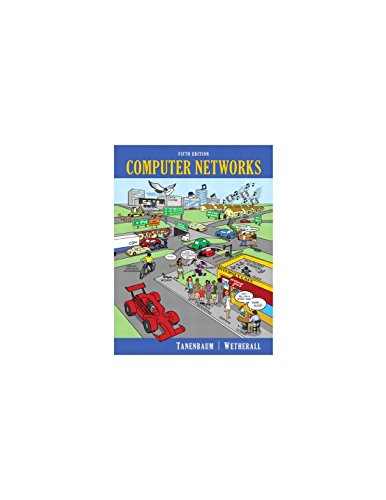
Computer Networks (5th Edition)

Computer Networks (5th Edition)

Publisher
Pearson
Published
2010
Pages
—
ISBN-13
9780132126953
Format
print
Language
English

Computer Networks, 5/e is appropriate for Computer Networking or Introduction to Networking courses at both the undergraduate and graduate level in Computer Science, Electrical En…

Book Summary
Computer Networks (5th Edition) by Tanenbaum and Wetherall is a comprehensive textbook that explains networking from the physical layer up to applications. It covers hardware, transmission, protocols, security, and real-world examples like the Internet and wireless networks. Ideal for undergraduate and graduate courses in computer science, electrical engineering, and related fields, it includes a dedicated security chapter and instructor resources such as slides and a protocol simulator.
This book is not available
Best buying and renting options — totals include estimated shipping when seller shipping is unavailable
Store Condition Deals & Coupons Price Est. Shipping Total Buy
About Computer Networks (5th Edition)

Computer Networks, 5/e provides a structured, inside-out explanation of networking, starting with the physical layer and hardware, then progressing through data link, network, transport, and application layers. Tanenbaum and Wetherall emphasize key principles and illustrate them with real-world networks—the Internet, wireless LANs, broadband wireless, and Bluetooth. The fifth edition adds a chapter devoted exclusively to network security. In-depth application coverage includes email, DNS, the World Wide Web (client and server side), and multimedia such as VoIP, Internet radio, video on demand, video conferencing, and streaming media. Each chapter follows a consistent pedagogical approach, making complex concepts accessible. The textbook is supplemented by a solutions manual, PowerPoint slides, art in various formats, and a protocol simulator for hands-on learning, making it a complete resource for networking courses.

Who should read Computer Networks (5th Edition)?

This book is intended for undergraduate and graduate students in computer science, electrical engineering, CIS, MIS, and business departments taking computer networking or introduction to networking courses. It also suits instructors seeking a structured, principle-based text with extensive instructor resources. Professionals wanting a solid foundational understanding of networking layers, protocols, and security will benefit, though prior knowledge of computer systems and basic programming is helpful. The clear progression from hardware to applications makes it accessible to those new to networking while still offering depth for advanced study.

Pros & Cons
Pros
  • ✓ Structured inside-out approach builds understanding from physical layer to applications.
  • ✓ Real-world examples like the Internet and wireless networks reinforce concepts.
  • ✓ Dedicated chapter on network security reflects modern curriculum needs.
  • ✓ Comprehensive instructor resources include slides, solutions manual, and protocol simulator.
  • ✓ Clear, consistent pedagogy with key principles illustrated throughout.
Cons
  • ✗ Some readers may find the physical layer and hardware details dense.
  • ✗ Rapid evolution of networking technology means some specifics may date quickly.
  • ✗ Assumes basic familiarity with computer systems, which may challenge beginners.
  • ✗ Heavy emphasis on principles over hands-on configuration for practical skills.
  • ✗ Instructor resources may require verification of access for self-learners.
Frequently asked questions
Is this book suitable for self-study?
Yes, the clear progression and real-world examples make it suitable for self-study, though some prior knowledge of computer systems is helpful. The protocol simulator and slides can aid independent learning if accessible.
Does the fifth edition cover network security?
Yes, the fifth edition includes a chapter devoted exclusively to network security, covering key principles and practices.
What are the instructor resources?
Instructor resources include a solutions manual, PowerPoint slides, art in various formats, and a protocol simulator for developing and testing network protocols.
Is this book appropriate for beginners?
It is appropriate for undergraduate and graduate students, but beginners may need to supplement with basic computer systems knowledge. The structured approach helps newcomers understand networking from the ground up.
Does the book include practical exercises?
The book focuses on principles and real-world examples rather than hands-on exercises, but the protocol simulator provides a practical tool for developing and testing protocols.

At Windsorbooks, we compare prices from trusted sellers so you can buy, rent, or sell textbooks at the best total price — shipping included.

As an Amazon Associate, Windsorbooks.com may earn a small commission on qualifying purchases.